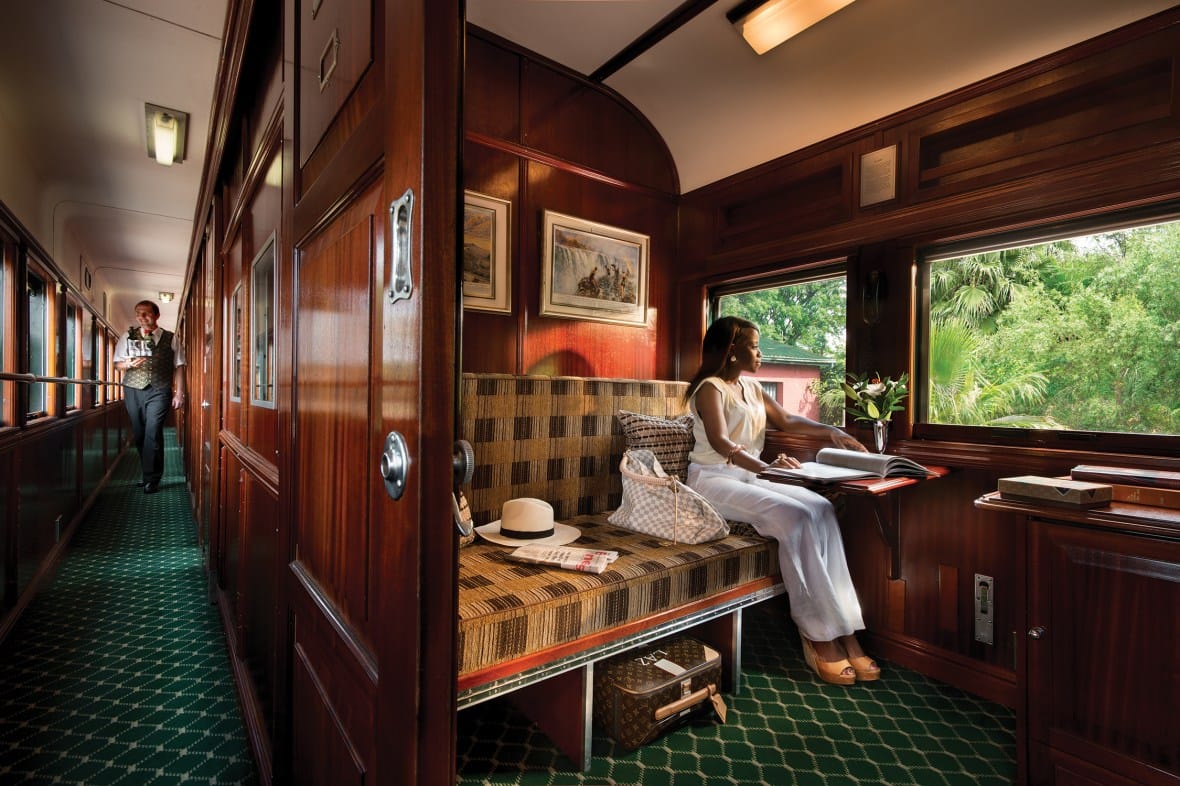
<h2>What is a sleeper train, actually?</h2>
<p>A sleeper train is exactly what it sounds like — a train you sleep on. The journey happens overnight, you wake up at your destination, and you save the cost of a hotel night plus the time you'd have wasted in an airport.</p>
<p>In Europe, the dominant operator is <strong>ÖBB Nightjet</strong>, which runs trains from Austria, Germany, and Switzerland to Italy, the Netherlands, France, and beyond. Other operators include European Sleeper (Brussels–Berlin–Prague), Snälltåget (Stockholm–Berlin), and the legendary Caledonian Sleeper between London and Scotland.</p>
<h2>Three classes you'll encounter</h2>
<p>Most modern sleeper trains offer three tiers of comfort. Here's the honest breakdown:</p>
<ul>
<li><strong>Seat carriage</strong> — the cheapest option, from around €29. You sit upright in a regular train seat for the whole night. Not recommended unless you're young, broke, and unbothered.</li>
<li><strong>Couchette</strong> — a six-bunk compartment, mixed gender unless you book the whole thing. From €49. Basic bedding, communal space, surprisingly social.</li>
<li><strong>Private sleeper cabin</strong> — your own room, a real bed, sometimes a sink. From €119. Worth every euro if you sleep poorly in shared spaces.</li>
</ul>
<blockquote>A reasonable thing to want is a good night's sleep on a train. A reasonable thing to expect is somewhere between hostel comfort and a budget hotel.</blockquote>
<h2>The booking trap nobody warns you about</h2>
<p>Here's the thing about Nightjet: the cheap fares disappear fast. The €29 couchette from Vienna to Rome that you saw on Reddit? That fare opens up roughly 180 days before departure and is usually gone within a week.</p>
<p>If you're flexible on dates, book early. If you're locked to specific dates, book the moment your dates open up.</p>
<h2>What to actually pack</h2>
<ol>
<li><strong>Eye mask and earplugs</strong> — non-negotiable. Compartments are bright and other passengers are unpredictable.</li>
<li><strong>A small bottle of water</strong> — they sell drinks on board but it's expensive and unreliable.</li>
<li><strong>Snacks</strong> — you'll get hungry around 11 PM and again at 5 AM.</li>
<li><strong>A power bank</strong> — outlets exist but are inconsistent.</li>
<li><strong>Clean socks for the morning</strong> — your feet will thank you.</li>
</ol>
<h2>The morning ritual</h2>
<p>What nobody mentions is the breakfast. Nightjet brings you a small tray — a croissant, coffee or tea, sometimes yogurt and fruit. It's not gourmet but it's served to you as the Italian Alps slide past your window. That's the moment when sleeper trains stop being a budget hack and start being the actual reason you're doing this.</p>
<h2>The verdict</h2>
<p>Sleeper trains aren't romantic in the way old films pretend. They're noisy, slightly uncomfortable, and the wifi is theoretical. But they're also a way to wake up in a different country having done something instead of sat in a departure lounge. For a certain kind of traveller — the kind reading this article — that's the whole point.</p>
<p><strong>Book early. Bring earplugs. Trust the breakfast.</strong></p>